The Art of Versatile Beach Festival Styling
One of the biggest challenges at beach festivals in Japan is creating a look that works from early morning beach activities through sunset celebrations and into nighttime festivities. The key is strategic layering - building an outfit foundation that can be adapted throughout the day.
Japanese beach festivals often span 12+ hours, with activities ranging from daytime beach yoga and water sports to evening food markets and fireworks displays. Your outfit needs to be just as versatile as your schedule, comfortable enough for movement, yet stylish enough for those sunset photo opportunities.
This guide will teach you the fundamental principles of swimwear layering, helping you pack smarter and look better while respecting Japanese fashion sensibilities that value both modesty and style.
Day to Night Transformation Guide

☀️ Morning Beach Ready
Base Layer: Your favorite swimsuit - one-piece or stylish bikini
First Layer: Loose beach shirt or kimono-style cover-up, unbuttoned
Bottom: High-waisted shorts or sarong
Footwear: Water-friendly sandals
Focus: Sun protection, comfort, and water-activity readiness
🌤️ Afternoon Exploration
Base Layer: Swimsuit (still underneath)
Mid Layer: Button up the shirt or swap for a lightweight t-shirt dress
Bottom: Switch to linen pants or breezy midi skirt
Footwear: Comfortable walking sandals or espadrilles
Focus: Coverage for food areas, comfortable walking, heat management
🌅 Evening Elegance
Base Layer: Remove or keep swimsuit depending on comfort
Main Outfit: Flowing maxi dress or stylish jumpsuit
Layer: Light cardigan, shawl, or denim jacket
Footwear: Upgrade to wedges or dressy sandals
Focus: Temperature drop preparation, elevated style, movement freedom
Step-by-Step Layering Strategy
Choose Your Foundation Wisely
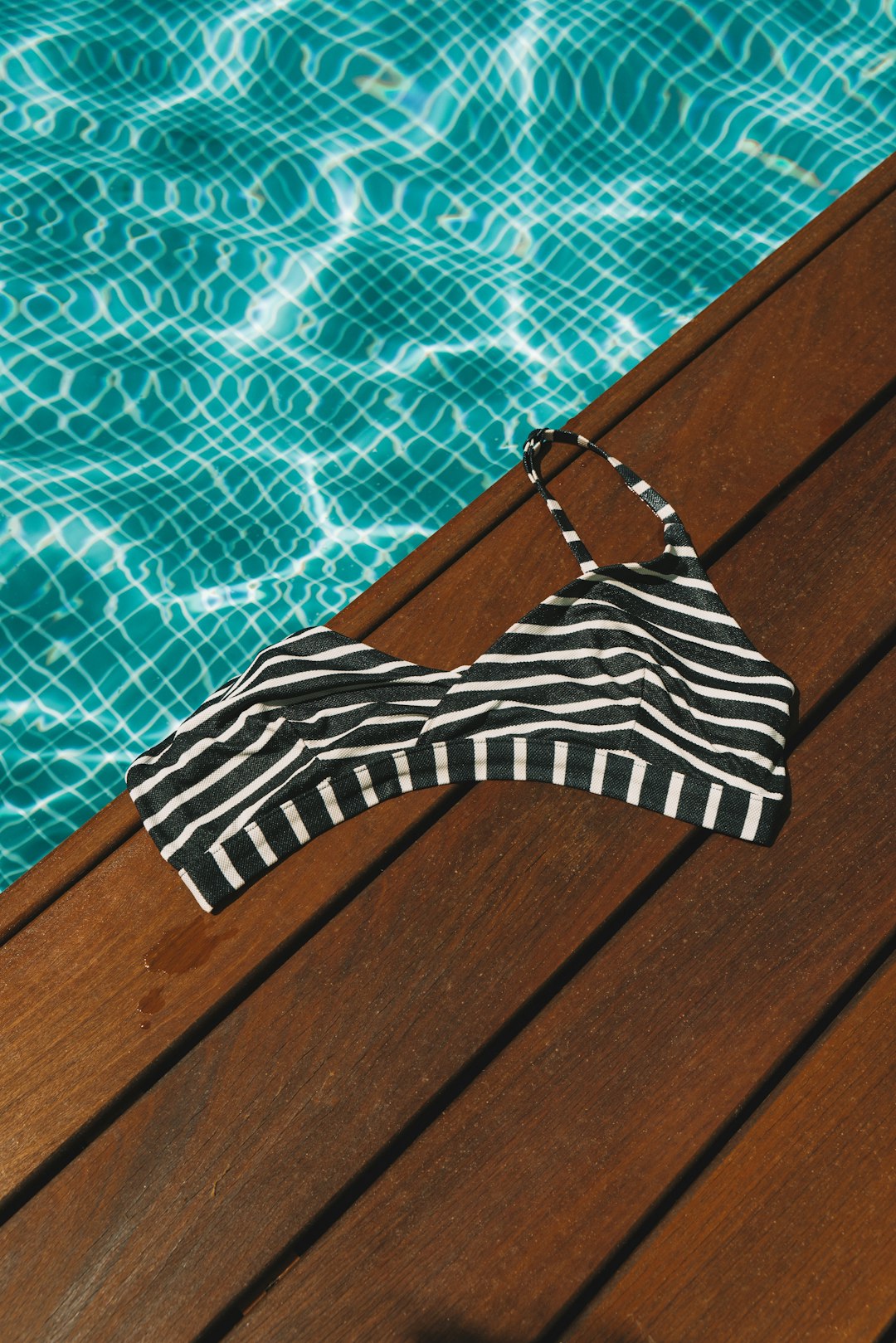
Start with a quality swimsuit that can double as a bodysuit. Solid colors and classic cuts work best under layers. Avoid excessive embellishments that might show through clothing. Consider swimsuits with interesting back details for when you wear them solo, but simple fronts that layer well.
Pack Transitional Pieces
Bring items specifically designed to bridge different parts of your day. A sarong can become a skirt, dress, or shoulder wrap. A large linen shirt works as a beach cover-up or tied-up casual top. Think multifunctional and lightweight.
Master the Quick Change
Japanese beach facilities often have excellent changing areas, but you should be able to layer and transition without fully changing. Practice at home: can you add or remove pieces smoothly? Can you transition from swim to street without a full costume change?
Plan for Temperature Drops
Even in summer, Japanese coastal evenings can get surprisingly cool, especially with ocean breezes. Always have a light layer packed - a cardigan, kimono jacket, or even a stylish sweatshirt that complements your color scheme.
Coordinate Your Color Story
Choose pieces within the same color family or complementary palette. This ensures that whatever combination you wear throughout the day looks intentional and cohesive. Neutrals with one accent color work beautifully.
Essential Layering Pieces
Versatile Swimsuit
Choose solid colors or subtle patterns that work as a foundation piece throughout the day
Lightweight Cover-Up
Oversized linen shirt, kimono-style jacket, or mesh beach dress
Transitional Dress
Easy-to-carry dress that can go over swimwear or be worn solo in the evening
Evening Layer
Cardigan, shawl, or light jacket for temperature drops and elevated evening look
Versatile Bottoms
High-waisted shorts, sarong, or pull-on pants that work with multiple tops
Footwear Options
Water sandals for beach, walking shoes for exploration, dressy sandals for evening
💡 Pro Layering Tips
- Always carry a small, packable bag to store layers you remove during the day
- Choose quick-dry fabrics that won't stay damp if you swim in your base layer
- Wear your swimsuit as the foundation even if you don't plan to swim - you never know when opportunity strikes
- Test your layering combinations at home before the festival to ensure smooth transitions
- Keep jewelry minimal during the day; add statement pieces in the evening for instant elevation
- Pack a small towel or absorbent cloth to dry off between swimming and layering
- Consider the transparency of your layers when wet - bring an extra dry option just in case
- Invest in quality basics that won't become see-through, lose shape, or cause discomfort over long wear
Layering Styles Compared
Minimal Layering
Best for: Confident swimmers, hot weather, water-focused festivals
Key pieces: Swimsuit + sarong + one cover-up
Pros: Less to carry, stays coolest, maximum mobility
Cons: Limited style options, requires more frequent changing facilities
Moderate Layering
Best for: Mixed activities, balanced approach, most festival-goers
Key pieces: Swimsuit + shorts/skirt + 2 tops + evening layer
Pros: Good versatility, appropriate coverage, manageable to carry
Cons: Still requires some outfit changes, moderate bag space
Maximum Layering
Best for: Fashion enthusiasts, photo-focused visitors, extended festivals
Key pieces: Multiple outfit changes, comprehensive accessories
Pros: Maximum style options, prepared for anything, great photos
Cons: Heavy bag, more to manage, may feel over-prepared
🌊 Fabric Selection Guide
- Linen: Breathable, dries quickly, perfect for layering - tends to wrinkle but that's part of the relaxed beach aesthetic
- Cotton: Comfortable and natural, but takes longer to dry - best for pieces worn away from water
- Performance fabrics: Quick-dry, moisture-wicking options great for active festival-goers
- Rayon/Viscose: Flowy and elegant, but heavy when wet - reserve for evening layers
- Mesh/Crochet: Stylish and see-through, perfect for layering over swimwear while maintaining beach vibe